Balancing Access and Preservation at Rocky Mountain National Park
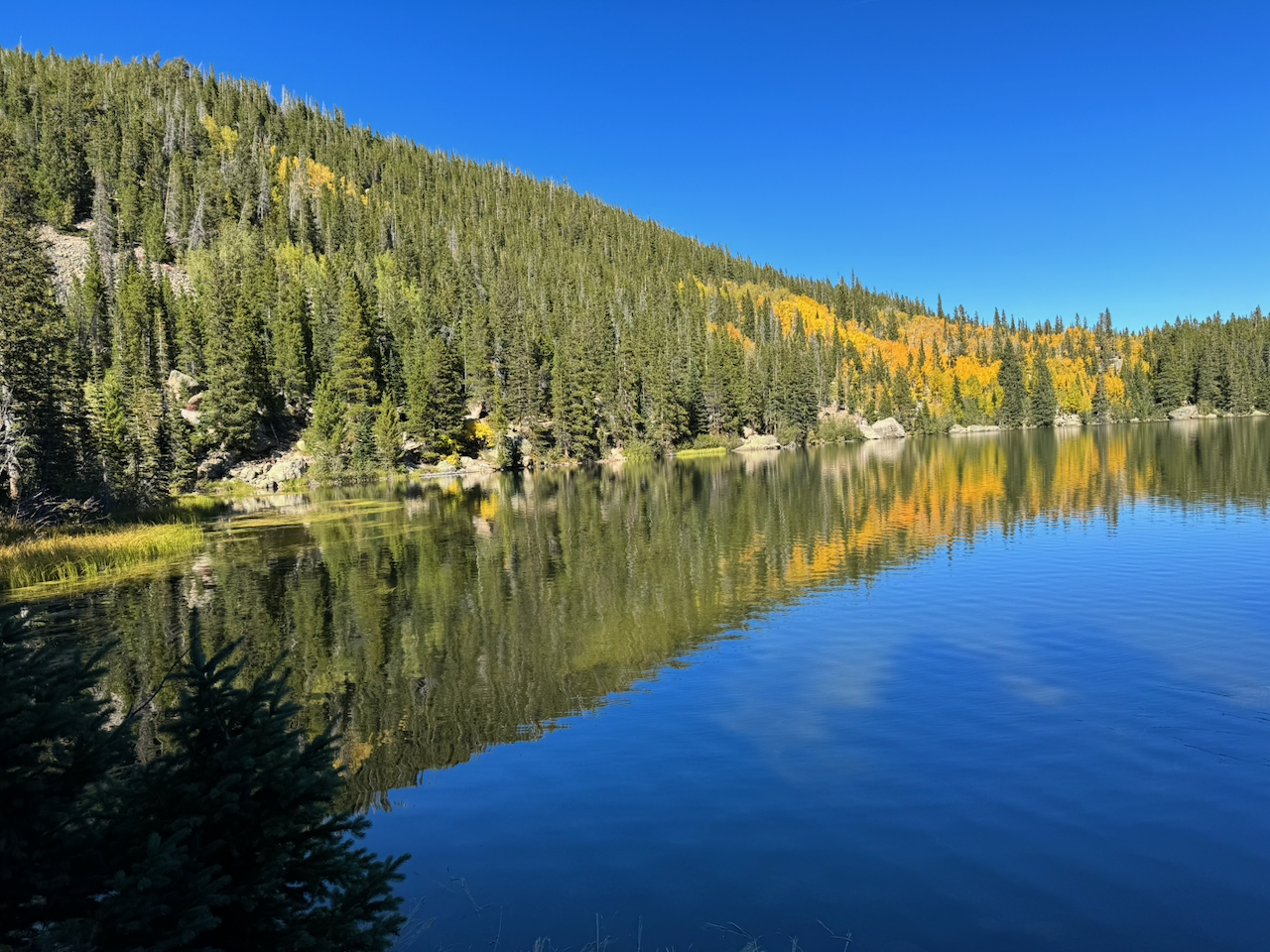
For more than a century, Rocky Mountain National Park (RMNP) has offered visitors rare access to one of the most dramatic alpine landscapes in the United States. Established in 1915, the park protects 415 square miles of mountain environments, including meadows, forests, alpine lakes, high peaks, and more than 350 miles of hiking trails. Its mission is not only to preserve high-elevation ecosystems and wilderness character, but also to provide public access to scenic beauty, wildlife, natural features, and cultural resources.
RMNP has always been closely tied to automobile travel. Unlike many other western national parks, it was never served by a railroad, making road access central to the visitor experience from the beginning. Fall River Road, Trail Ridge Road, and other historic routes helped define the park as a place where families could experience high alpine scenery from the road as well as the trail. Trail Ridge Road, built in the 1930s, remains one of the park’s signature experiences and is recognized as an All-American Road.
But the same accessibility that made Rocky Mountain National Park beloved also created one of its greatest modern challenges.
The Challenge: When Popularity Puts Pressure on Place
By the late 2010s, Rocky Mountain National Park was facing levels of visitation that strained roads, parking areas, trails, staff, and sensitive natural resources. In 2019, the park received over 4.6 million visitors, a record at the time and a 44 percent increase from 2012. July alone brought close to a million visitors, while fall and winter weekend visitation also continued to rise.
This growth created several overlapping challenges:
- Safety and emergency access: Heavy congestion in areas such as the Bear Lake Road Corridor, Wild Basin, and the Alpine Visitor Center forced staff to restrict vehicle access when parking areas filled and traffic became too heavy. These restrictions occurred most days in July and August 2019, along with weekends in June and September.
- Resource protection: Increased day use and changing visitor patterns degraded natural and cultural resources, diminished the quality of the visitor experience, and increased safety concerns for both visitors and staff.
- Operational strain: The park’s roadways, parking lots, shuttle systems, and staff capacity were not designed for sustained record-breaking visitation. Managing day use became essential to maintaining daily operations and protecting the park experience.
The Decision: A Data-Driven Access Strategy
Rocky Mountain National Park did not arrive at a timed entry system overnight. Between 2016 and 2023, the park piloted multiple day-use visitor management strategies to address crowding, congestion, and impacts on park resources. The park also gathered public input during the summer of 2021 and again in winter 2022 to 2023, working with visitors, gateway communities, and stakeholders to shape a long-term solution.
The National Park Service finalized the Day Use Visitor Access Plan in May 2024. The plan established two timed entry reservation systems from late May through mid-October: one for the Bear Lake Road Corridor and one for the rest of the park. According to the National Park Service, these systems have helped spread visitor use throughout the day and across the park while supporting resource protection, safety, visitor experience, and daily operations.
Why This Was the Right Decision
Timed entry is not simply a crowd-control tool. It is a visitor experience strategy and a preservation strategy working together.
For the 2026 season, Rocky Mountain National Park will again require timed entry reservations beginning May 22. The system will include two permit types. The first, for the Bear Lake Road Corridor, will be required from 5 a.m. to 6 p.m. and will also allow access to the rest of the park. The second, for the rest of the park excluding Bear Lake Road, will be required from 9 a.m. to 2 p.m. Visitors will enter during a two-hour window, but there will be no set departure time. The only reservation cost is a 2 dollar Recreation.gov processing fee.
This approach gives visitors a better chance of spending their day hiking, sightseeing, and enjoying the park rather than circling for parking or waiting in traffic. It also helps park managers match visitor access with real-world capacity on roads, at trailheads, and in high-demand destinations.
Just as importantly, timed entry supports the long-term health of the park. Rocky Mountain National Park protects fragile alpine tundra, extensive wilderness, major headwaters, diverse ecosystems, and 124 named peaks, including Longs Peak at 14,259 feet. Nearly 95 percent of the park is designated wilderness, and one-third of the park is alpine tundra, a sensitive environment where damage can last for decades.
A Critical Step for Future Generations
The timed entry system represents a practical commitment to keeping Rocky Mountain National Park both accessible and protected. The goal is not to keep people out. It is to make sure that people can continue to get in safely, enjoyably, and responsibly.
By managing the flow of day-use traffic, Rocky Mountain National Park is easing congestion, improving visitor experience, reducing pressure on staff and infrastructure, and protecting the landscapes that make the park extraordinary. The result is a more thoughtful model for one of America’s most visited and most treasured national parks.
The awe visitors felt in 1915 can still be felt today. With careful planning, adaptive management, and a shared commitment to stewardship, Rocky Mountain National Park is helping ensure that future generations will experience the same sense of wonder in 2026 and far beyond.