CTO and CPW Partner to Shine a Little Brighter
DarkSky Certifications and Colorado’s State Parks
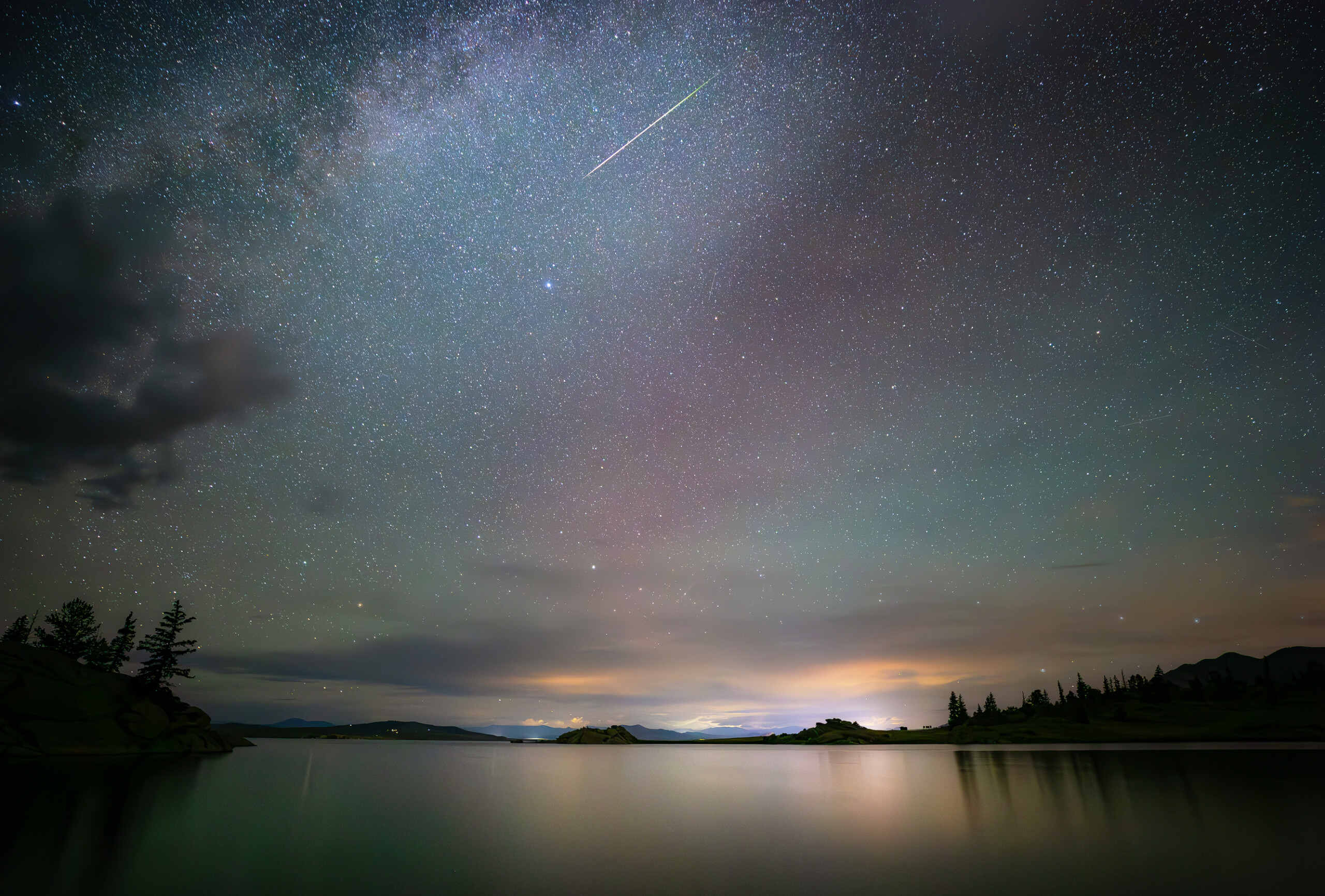
Colorado’s starry skies may soon shine a little brighter, as a new partnership empowers 12 state parks to apply for International Dark Sky Place certification. This innovative collaboration between the Colorado Tourism Office (CTO), Colorado Parks & Wildlife (CPW), and the nonprofit DarkSky Colorado is working to preserve and enhance Colorado’s night skies. By achieving DarkSky certification, these state parks will reduce light pollution and offer visitors the chance to experience the awe-inspiring beauty of the cosmos.
This initiative aligns with a key strategy in the CTO’s Statewide Destination Stewardship Strategic Plan: to promote dark sky preservation and experiences, raising awareness of the importance of dark skies while offering visitors unique and memorable stargazing experiences.
By elevating astrotourism, Colorado taps into a growing travel trend, supports rural economic development, and protects wildlife and human health—while connecting visitors with a time-honored and awe-inspiring way to experience the natural world.
Why Dark Skies Matter
The work of DarkSky International, the leading organization dedicated to preserving night skies, underscores the importance of reducing light pollution. Beyond the beauty of the stars themselves, dark skies have a profound impact on wildlife and the environment.
Animals depend on natural darkness for behaviors such as hunting, migration and breeding. Artificial light disrupts these vital processes, putting species at risk. Additionally, reducing unnecessary lighting conserves energy and helps mitigate the effects of climate change. One estimate shows that at least 30% of outdoor lighting in the United States is wasted, releasing 21 million tons of carbon dioxide annually.
The benefits of dark skies extend to human health as well. Exposure to artificial light at night has been linked to an increased risk of sleep disorders, depression, diabetes, heart disease and even cancer. By reducing light pollution, Colorado is improving the quality of life for its residents and visitors alike.
Astrotourism Shines as a Top Travel Trend
The rise of astrotourism—the growing trend of traveling to experience dark skies and celestial events—is gaining momentum worldwide. An estimated 99% of Americans and Europeans live in areas where light pollution makes it impossible to see a truly dark sky. This trend presents a unique opportunity for Colorado, home to 10 International Dark Sky Parks and seven certified Dark Sky Communities, one of the highest concentrations in the nation.
Astrotourism promotes sustainable travel and also drives rural economic development. Visitors who travel to witness dark skies often stay overnight, bringing economic benefits to small communities. Moreover, nighttime tourism is a great way to experience destinations during off-peak hours, allowing visitors to enjoy more moments to themselves under a canopy of stars.
Dark Skies in the Parks
The Colorado State Parks Dark Sky Certification Mentor Program, launched in August 2024, builds on the Colorado Dark Sky Certification Mentor Program, a partnership between the CTO and DarkSky Colorado that began three years ago. In response to high interest, the CTO created a new initiative to support Colorado’s state parks with DarkSky applications.
Through the program, each of the participating state parks will receive 20 hours of personalized mentoring from the CTO, as well as group webinars covering topics such as improving lighting to reduce light pollution. To further support the initiative, CPW has received a grant to provide each participating park with a Sky Quality Meter to measure light levels. CPW will also explore DarkSky certification in new endeavors such as Sweetwater Lake.
The goal is to have each state park involved in the program achieve DarkSky certification, with additional state parks expected to follow suit in the coming years. The CTO is also developing resources and templates to help other parks and communities apply for certification in the future.
This groundbreaking program covers over 123,600 acres of Colorado’s diverse landscapes. Participating areas include Crawford, Eleven Mile, Elkhead Reservoir, Golden Gate Canyon, Highline Lake, John Martin Reservoir, Mueller, Rifle Gap, State Forest, Steamboat Lake, Sweetwater Lake, Staunton and Trinidad Lake. They will collaborate with DarkSky Colorado to structure a successful application for IDSP park certification and develop and implement a sky quality monitoring plan, among other outcomes.
Expanding Dark Skies to Colorado Communities
To support destinations that wish to become DarkSky certified, the CTO and DarkSky Colorado selected four more destinations in November 2024 to participate in the Colorado Dark Sky Certification Mentor Program:
- Lake County
- Town of Berthoud
- Town of Frisco
- Town of Rangely
Each of these communities will receive 70 hours of free consulting from DarkSky Colorado between December 2024 and June 2025. This support will help these destinations reduce light pollution and protect access to the region’s stunning nighttime views.
With these efforts, Colorado is reinforcing its position as a leader in dark sky conservation, ensuring that future generations can continue to enjoy the wonders of the night sky while benefiting from the positive impacts on wildlife, human health and cultural heritage.
Share Your Success Story
Do you have a destination stewardship success story to share? We’d love to hear about your impactful work in Colorado! Please contact the CTO and let us know how you’re making a difference.