The Connector Model: How Visit Alamosa Is Powering Economic Resilience Through Workforce Development
How a community-centered DMO is transforming tourism into a driver for local talent and economic resilience
Alamosa is far more than a gateway to the Great Sand Dunes National Park and Preserve. It is a vibrant rural hub where culture, heritage, and community spirit intersect. However, like many destinations, Alamosa recently recognized that for its tourism economy to thrive, it had to address a foundational challenge: the workforce.
In 2025, Visit Alamosa adopted a comprehensive five-year tourism strategic plan that integrates workforce development into its long-term vision for the destination. Shaped by stakeholder engagement and community input, the plan surfaced persistent challenges—recruitment gaps, retention struggles, seasonality, housing pressures, and limited career awareness—and incorporated clear actions to address them within broader tourism priorities.
Workforce as a Destination Issue
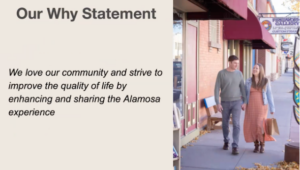
A defining feature of the new strategic plan is its reframing of the workforce not simply as an employer concern, but as a destination-wide priority. Guided by a renewed “Why” statement, Visit Alamosa recognizes that local businesses and their employees shape the quality, authenticity, and sustainability of the visitor experience. By identifying recruitment, retention, and training as systemic bottlenecks, the DMO has stepped into a stronger convening role, bringing together employers, educators, and job seekers to support a healthier tourism economy that benefits the entire community.
Building the Talent Pipeline through Partnership
Collaboration is the engine behind Alamosa’s workforce initiatives. To bridge the “student awareness gap” regarding careers in tourism, Visit Alamosa has forged deep partnerships with local educational institutions. Key initiatives include:
- Content Studios and Internships: Partnering with Adams State University (ASU) and Trinidad State College to develop content studios that engage students in real-world hospitality and marketing roles.
- Youth Engagement: Working with local school districts and organizations like the Boys and Girls Club to promote tourism as an exciting and viable career path for the next generation.
- Professional Development: Organizing workshops to help local businesses strengthen their digital presence and improve discoverability, ensuring they have the tools to compete in a modern economy.
Keys to Success
The implementation of Alamosa’s workforce strategy is rooted in several core principles:
- A “Listening Platform” Approach: The strategic plan was built on 20 one-on-one interviews and a first-of-its-kind resident sentiment survey to ensure community alignment.
- Institutional Collaboration: Partnering with the local Workforce Center and higher education ensures that resources are not duplicated but instead amplified.
- Identifying Bottlenecks: Focusing specifically on recruitment and training allows the DMO to provide high-impact support where businesses need it most.
- Closing the Awareness Gap: Rebranding tourism careers as “fun and exciting” to attract young talent who might otherwise overlook the industry.
The Alamosa model demonstrates that a DMO’s greatest value lies in its ability to act as a connector. By prioritizing residents and the local workforce, Visit Alamosa is shaping a sustainable approach to rural tourism that ensures the “Alamosa experience” serves those who live there as much as those who visit. The innovative work being done in Alamosa sets a powerful example of how tourism can strengthen the quality of life for residents and build a resilient local economy where opportunity, talent, and community pride grow together in the long term.